1. Context
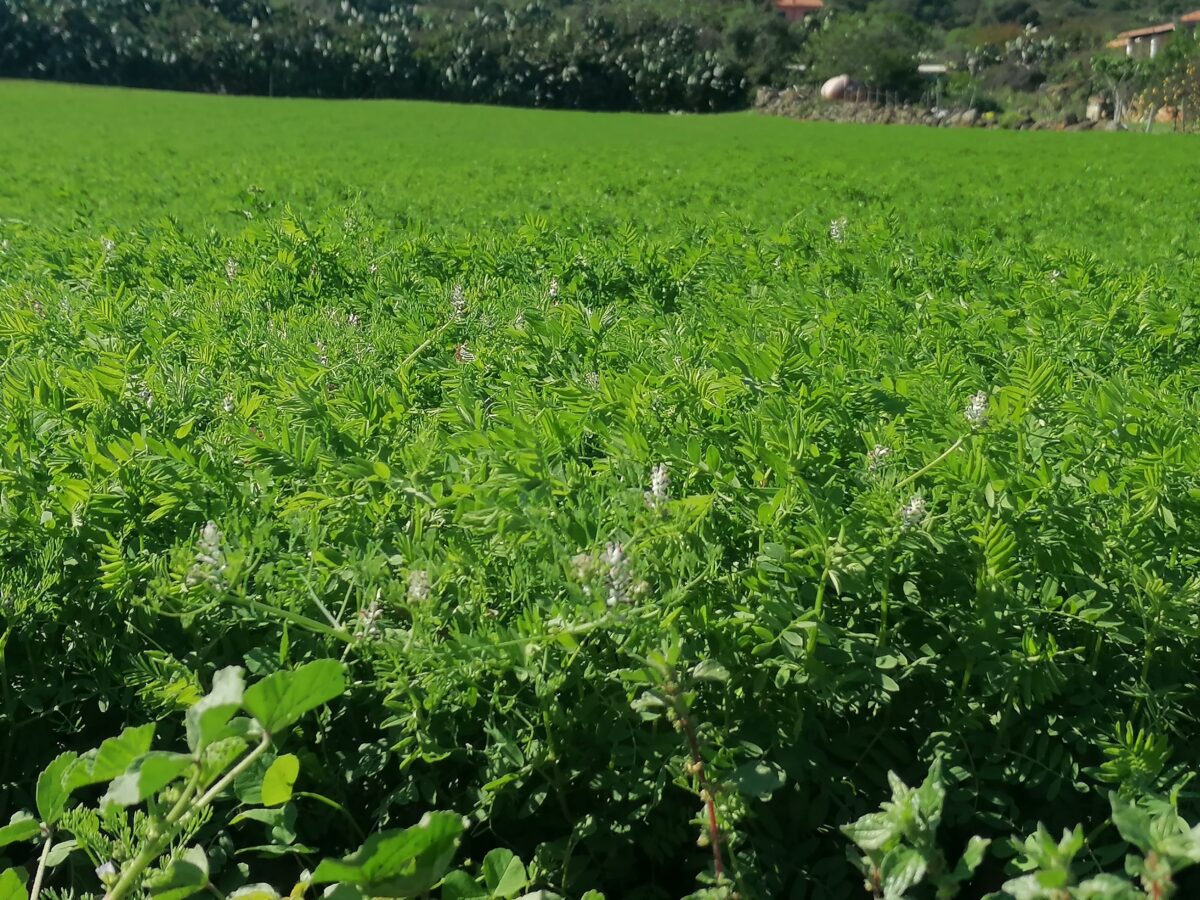
Broader biophysical and policy context: The Living Lab addresses agricultural landscapes in Palermo Province and western Sicily, where arable land, durum wheat systems, olive groves and vineyards coexist under Mediterranean conditions. The area has hot, dry summers and mild, relatively wet winters; mean annual temperature is about 17-21 °C and annual rainfall is around 600 mm. Main soil groups include Vertisols, Calcisols, Cambisols and Leptosols. Rural municipalities such as Vicari and Roccamena face the combined challenge of maintaining viable farming livelihoods, adapting to climate change and protecting soil functions that support food production, water regulation and biodiversity.
Soil-related issues: Soil erosion and the associated loss of fertile topsoil are the central concerns. They reduce long-term productivity and increase risks of sedimentation, nutrient loss and ecosystem degradation. Stakeholders also highlighted the need for accessible, georeferenced information on soil organic matter and structure, erosion risk, soil biological activity and microbiology, and soil or groundwater contamination by nitrates and pesticide residues. Existing information on texture, pH and soil organic carbon is considered partly available but difficult to access, whereas biological, microbiological and pollution-related data remain major gaps.
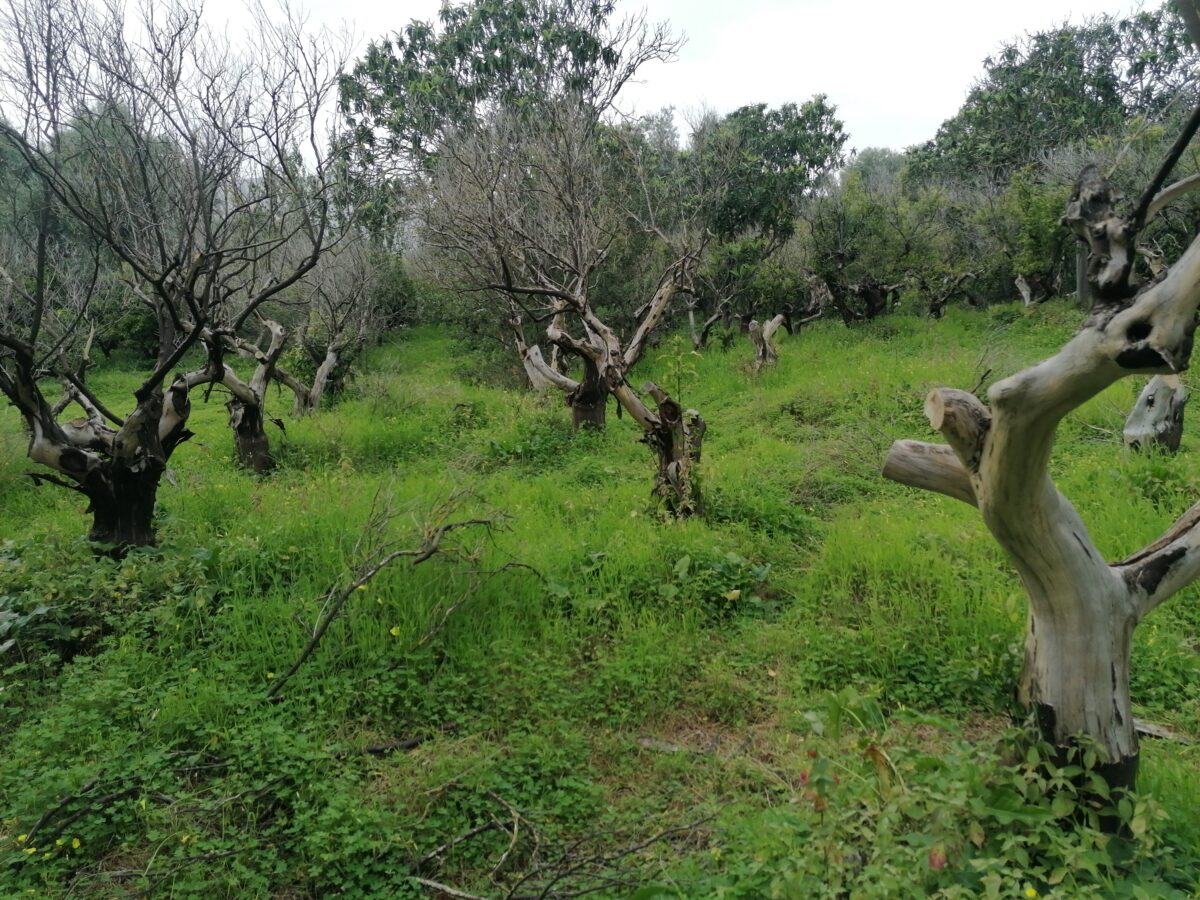
The Sicily Soil Living Lab: The LL is a proposed community of practice on soil health and soil-related ecosystem-service valuation. It is coordinated by the University of Palermo and builds on collaboration with farmers, producer organisations, regional agencies, consultants and research actors. D8.1 and D8.2 identify Azienda Agricola Moscarelli in Roccamena and Tenute Costa in Vicari as potential demonstration anchors for testing and discussing soil conservation practices. The two Palermo workshops broadened the operational focus from arable and cereal systems to the practical needs of olive-grove and vineyard stakeholders, particularly under climate-change, certification and soil-water conservation pressures.
2. Scale
Demonstration areas: the main demonstration municipalities are Roccamena (approximately 33 km²) and Vicari (approximately 86 km²) in Palermo Province. The demonstration work can be anchored by the two farms identified in the SOILS4MED deliverables and used to test, discuss and compare soil conservation practices.
Landscape scale: the broader focus is western Sicily and Palermo Province, with attention to farm, municipality and producer-consortium scales. This allows soil maps, legacy data, stakeholder knowledge and new SOILS4MED sampling to support conservation-practice targeting, farm advisory services, consortium planning and regional soil-information-system development.
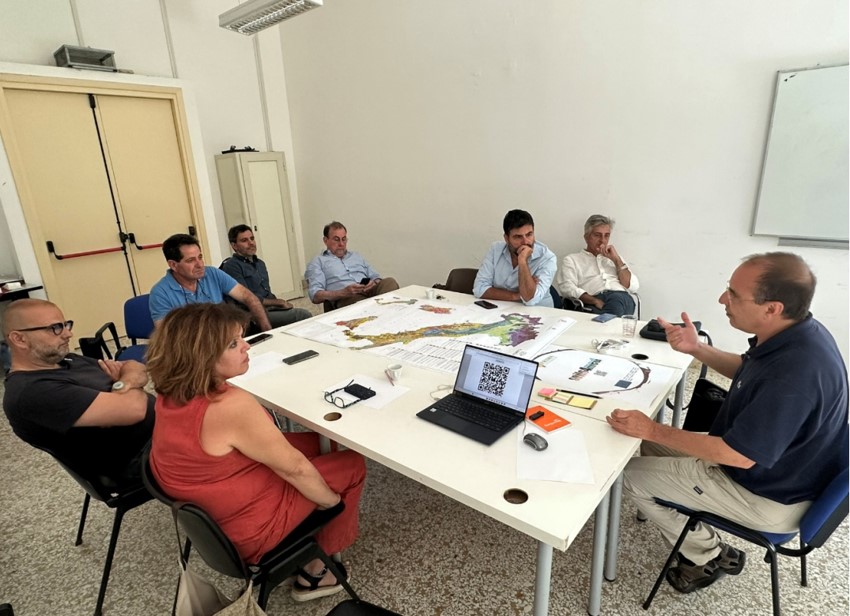
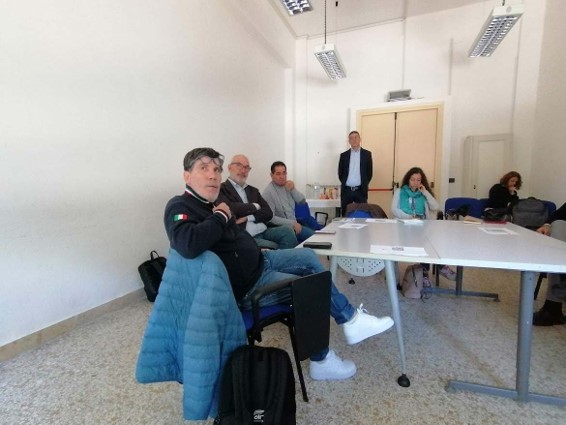
Stakeholder scale: the first workshop involved 8 plenary participants after a pre-meeting survey; the second workshop involved 16 stakeholders in person, mainly land users and technical advisers active in olive-oil and wine supply chains, with further post-meeting input.
3. Aims
- Environmental and social aims: preserve fertile topsoil, reduce erosion, support soil and water conservation, maintain agricultural productivity and product quality, and protect water bodies and biodiversity.
- Governance and integration aims: strengthen cooperation among farmers, researchers, regional agencies, agricultural technicians, reclamation consortia, producer organisations and private-sector actors so that soil data become usable in farm, advisory and policy decisions.
- Strategic aim: develop a community of practice that uses soil data, soil-health monitoring and ecosystem-service valuation to guide conservation agriculture, improve farm resilience and support sustainable land-use choices in Sicilian and Sicily-like Mediterranean agricultural landscapes.
- Policy and data aim: connect LL outcomes with a regional soil information system able to support soil-health monitoring, land-degradation-neutrality objectives, certification schemes and climate-adaptation planning.
4. Activities
- Review, organise and integrate existing soil information and legacy datasets within a soil-information-system framework, following FAIR and interoperability principles.
- Conduct participatory assessments of barriers, opportunities and strengths in the use of soil data and information for sustainable soil and water management. The most critical barrier was lack of digital skills, followed by limited data availability, difficult access to existing databases, high update costs, bureaucracy and legal constraints, and data that are too generic or insufficiently relevant to user needs. Root causes underlying the barriers include the lack of a regional digital-agro strategy, fragmented and non-communicating data servers, top-down data production, short-term funding models and unclear licences for data reuse.
- Jointly define a phased core set of policy-relevant soil health indicators. Management areas needingsoil information are mainly sustainable management of olive groves and vineyards under climate change, compliance with environmental and quality certifications such as IGP olive oil and organic schemes, and planning of soil and water conservation measures at farm and consortium level. High-priority indicators include soil organic carbon content and stock, pH, texture, bulk density, soil depth, erosion risk and erosion rates, soil sealing, infiltration, biological activity, microbial indicators, nitrates, pesticides and heavy metals. Expected SIS/SDI functions: an user-friendly access to indicator maps and time series at farm, municipality and consortium-relevant scales, with clear metadata on methods, uncertainty and update frequency. Quantitative measurements are needed for core indicators such as SOC, pH, bulk density, soil depth, erosion rates and contamination parameters, whereas class-based or modelled approximations can be acceptable for screening indicators such as erosion risk, sealing, salinity, compaction and drainage, provided uncertainty is documented.
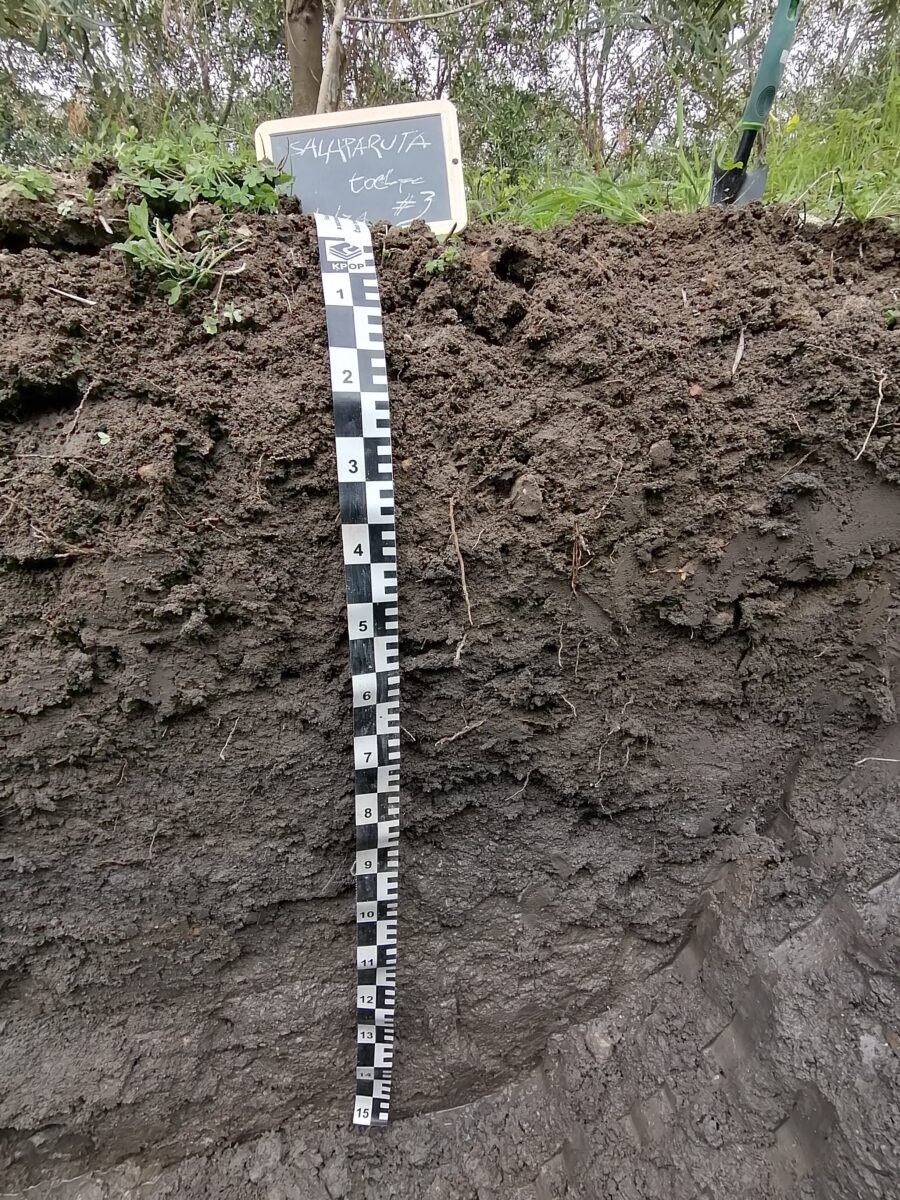
- Carry out field campaigns to measure relevant soil properties and describe representative soil profiles using the regional SOILS4MED field protocol, with attention to spatial gaps in steep olive groves, vineyards and areas vulnerable to nitrate or pesticide contamination.
- Develop and pilot SIS/SDI use cases: erosion-risk and conservation-practice targeting; soil-health and ecosystem-service monitoring; certification and compliance support; and farm- or consortium-level planning of soil and water conservation measures.
- Build capacity through expert consultations, participatory workshops, computer-lab sessions and joint field training on soil information systems, data interpretation, indicator use and selected soil-related tools.
- Promote a single interoperable regional SDI/SIS portal, compliant with INSPIRE principles and equipped with open APIs, so that data can be accessed and reused by policy, advisory services and producer organisations.
- Embed a regular feedback loop with Living Lab stakeholders to validate indicator usability, revise priorities as new policies or market requirements emerge, and co-produce data that are relevant to end users.
- Governance outcome from the second Living Lab: the second Living Lab resulted in a framework agreement with ARPA Sicilia (the regional environmental protection agency) and ESA (the agricultural development agency) for the future management of soil data. In particular, the Sicilian SIS system will be installed on ARPA’s servers, while the SOILS4MED soil database is hosted by ESA.
5. Participants
Science and research: University of Palermo, Department of Agricultural, Food and Forestry Sciences (SAAF), with researchers working on soil health, soil conservation, cereal systems, olive/vineyard systems, soil information and ecosystem-service valuation.
Policy and agricultural administration: Sicily Region, the Regional Department of Agriculture, the Agricultural Development Agency / ESA, ARPA Sicilia, local reclamation consortia and municipal authorities. The workshops also engaged regional departments and agencies responsible for agriculture, rural development, water, soil and biodiversity.
Practice and land users: Farmers, farm managers, producer organisations and cooperatives in western Sicily, including actors from olive-oil and wine supply chains. Potential demonstration anchors identified in project deliverables are Azienda Agricola Moscarelli (Roccamena) and Tenute Costa (Vicari). Workshop invitees and participants included, among others, producer consortia and cooperatives such as Consorzio Olio Extra Vergine di Oliva Sicilia IGP, Oleum Sicilia, CO.FI.OL. and Libera Terra-related cooperatives.
Private sector and service providers: Agronomists, geologists, agricultural consultants, input-supply and mechanisation actors, fertilisation-sector stakeholders, agritech companies and other technical advisers supporting farm and consortium decisions.
Civil society and wider community: Citizens, environmental associations, agricultural youth organisations and local actors interested in soil conservation, rural development and sustainable agriculture.