1. Context
Broader biophysical and policy context: The Salento-Puglia Soil Living Lab is located between the provinces of Lecce and Brindisi in southern Italy, in a mainly agricultural landscape historically dominated by olive groves. The area has a typical Mediterranean climate, with hot, dry summers and mild, relatively wet winters. Mean annual temperature ranges from about 18°C to 22°C, and annual rainfall is around 600 mm, with Lecce generally drier and the Adriatic side of Salento wetter. Main soil types include Phaeozems, Calcisols, Cambisols, Leptosols, and Luvisols. Salento soils are generally shallow but productive for olives because of their calcareous nature. Many are typical Red Mediterranean soils, including Chromic Luvisols. Agriculture includes olives, vineyards for table grapes and wine, and horticulture. The area also has a strong agritourism potential linked to its coastal location, cultural heritage, and traditional olive landscapes. To restore soil fertility and soil organic matter in underused agricultural areas, especially where bare soils increase risks of erosion, fertility loss, and land abandonment, there is a need for policy support. Soil data and information systems can help guide public investments, advisory services, and land-use diversification strategies that support soil restoration, farm viability, and resilient rural livelihoods.
Soil-related issues: Salento’s soil fertility has declined over time because of intensive use, limited organic manure additions, and decreasing soil organic matter. In areas where olive trees have dried after Xylella (Xylella fastidiosa) invasion, bare soils and abandoned or underused fields create additional risks for erosion, fertility loss, and landscape degradation. The Living Lab therefore needs to address soil fertility restoration, organic matter improvement, and appropriate land-use options for areas no longer functioning under traditional olive systems.
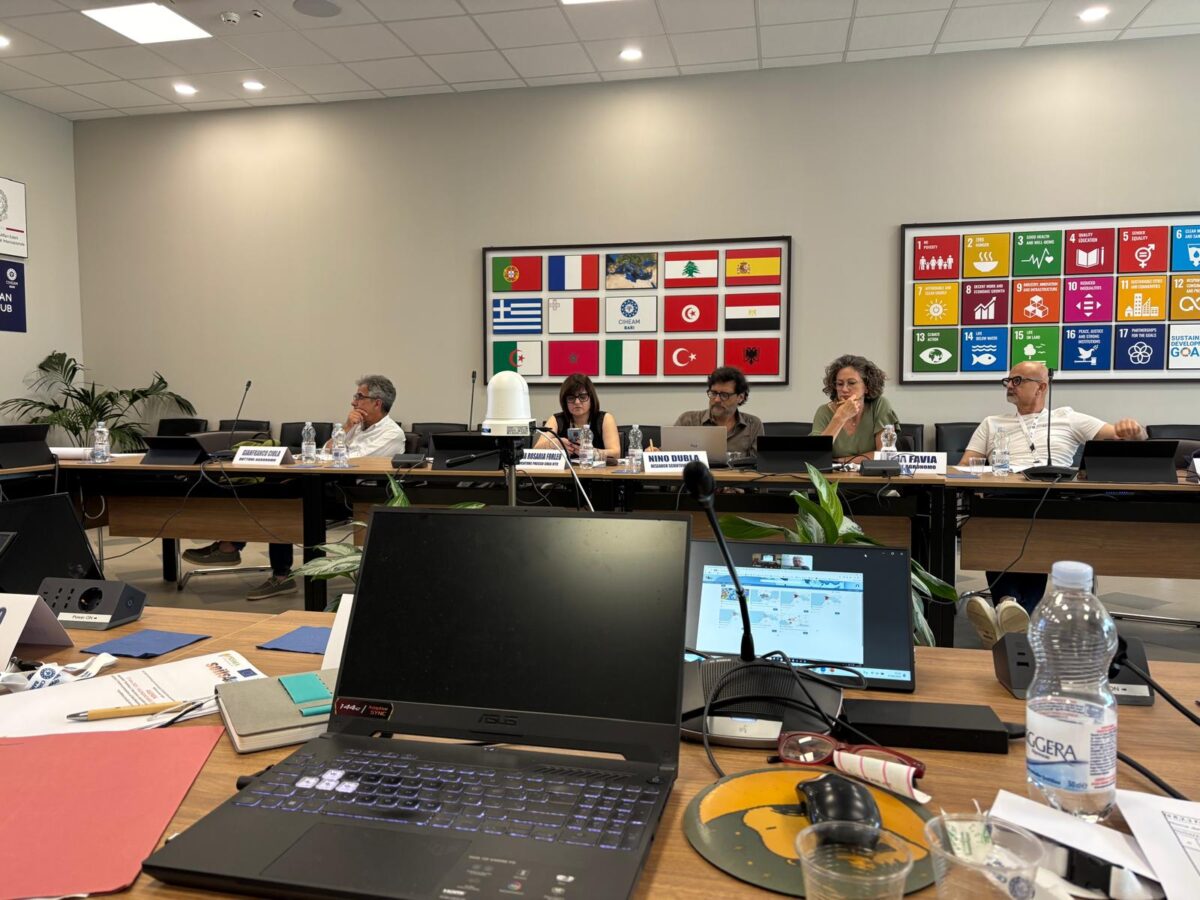
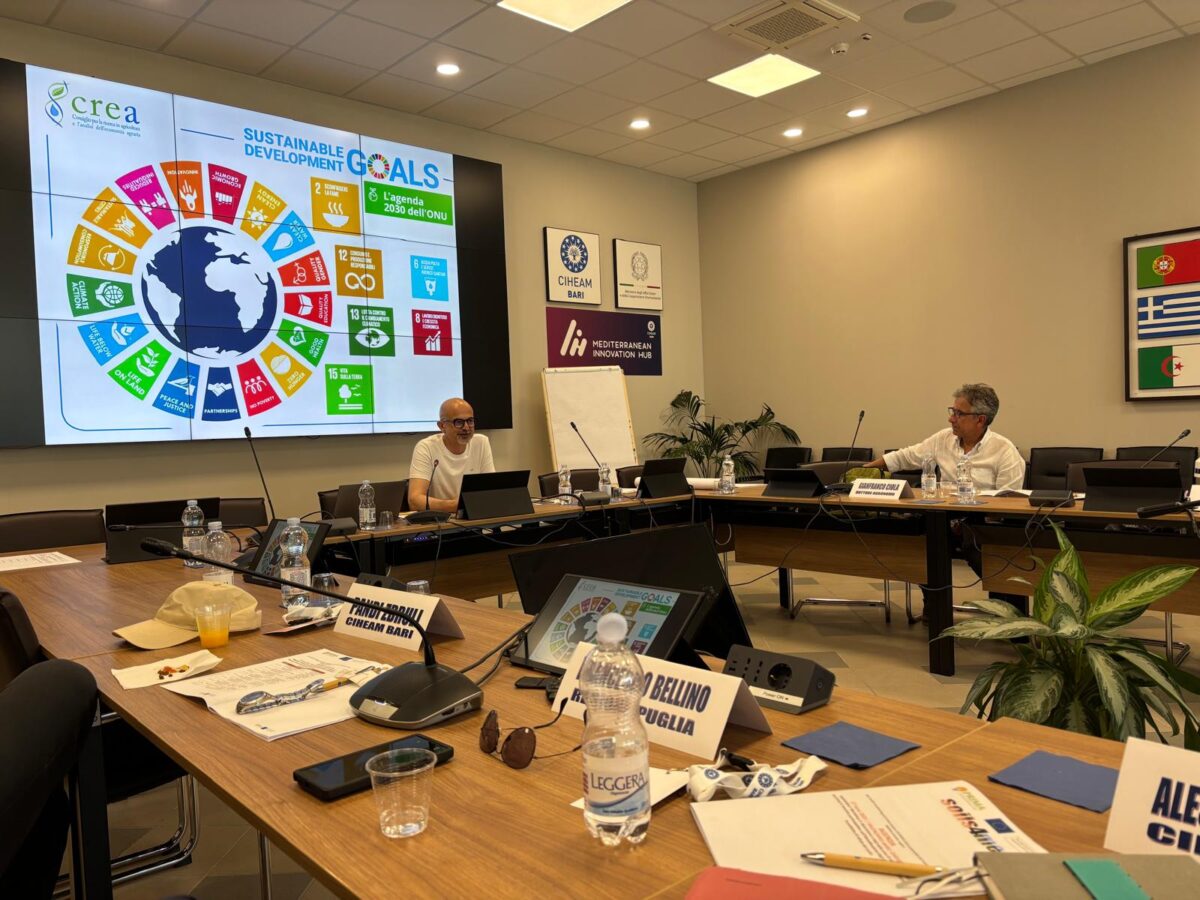
The Salento Soil Living Lab: The Soil Living Lab is a proposed platform for sustainable soil and land management in the agricultural landscapes of Lecce and Brindisi. It is coordinated by the Integrated Resources Management in Agricultural Ecosystems Unit of the Mediterranean Agronomic Institute of Bari, (CIHEAM Bari), with involvement other Italian universities, farmers, farmer associations, regional authorities, agri-businesses, and local consultants. The Living Lab builds on previous regional work, including the Agro-ecological Characterization of Apulia region (ACLA2 project) and the Regenerating Salento project funded by the Italian Government with the scope to revitalize the agricultural sector devastated by the Xylella infection. In that context, the Living Lab it provides an additional setting support for co-developing farming-system regeneration strategies to overcome the Xylella-related decline.
2. Scale
The Soil Living Lab operates at two complementary spatial levels:
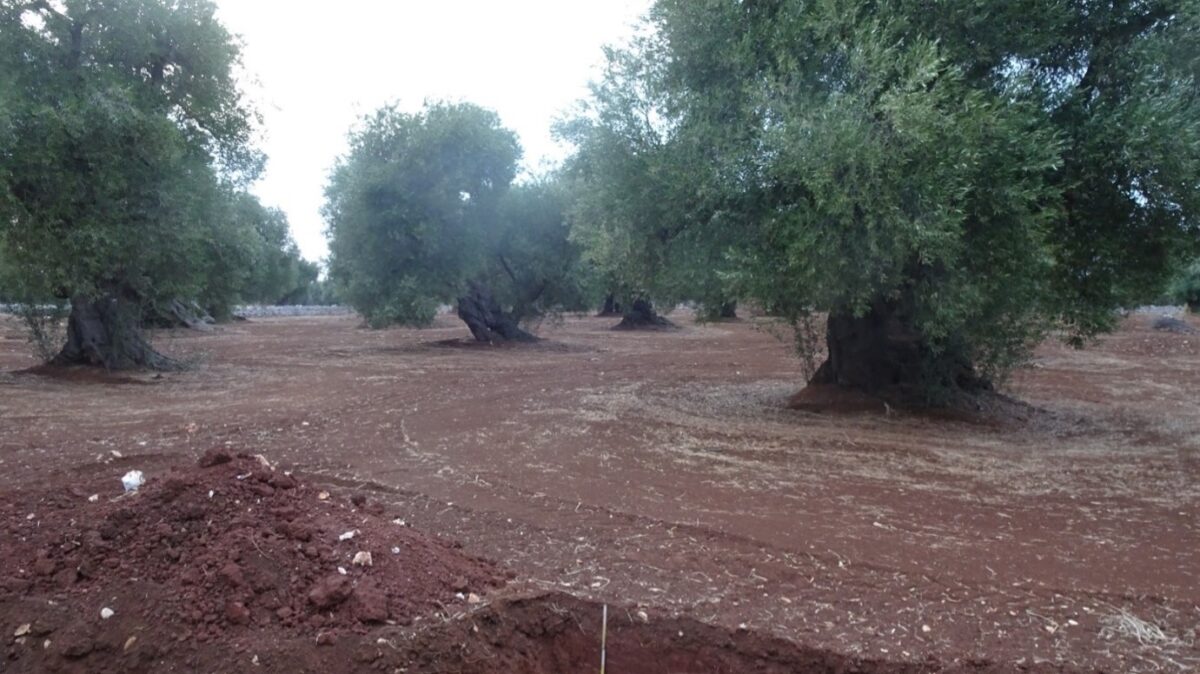
(i) Demonstration areas: Demonstration sites are planned within two municipalities: Lecce, and Brindisi. These sites can support field-level testing and demonstration of soil fertility improvement, soil-health monitoring, diversified farming systems, and regenerative land-management practices in areas affected by declining olive systems and soil organic matter loss.
(ii) Landscape scale: At the broader landscape level, the Living Lab focuses on the agricultural areas of Lecce and Brindisi provinces that represent large areas historically cultivated by millenary olive groves. The landscape-scale focus allows soil data, soil maps, stakeholder knowledge, and Soil Information Systems to support sustainable farming-system design, land-use diversification, and soil organic matter restoration.
3. Aims
- Environmental & Social: Define agricultural practices that increase soil fertility and soil organic matter, particularly in areas where olive trees have dried and land is currently bare or underused.
- Governance & Integration: To enhance collaboration among farmers, researchers, local authorities, farmer associations, agri-businesses, and consultants so that sustainable farming-system design is supported by soil information, field evidence, and policy-level action.
- Strategic Goal: support sustainable farming systems that improve soil fertility, diversify land use, reduce dependence on olive monoculture, and strengthen links between farming, agritourism, and rural livelihoods.
4. Activities
The following list details the initial core activities designed for the Living Lab, though additional tasks and methodologies may be added as the project evolves.
- Reviews, organize, and integration of soil information and data following a soil information system framework.
- Conduct participatory assessment of barriers, opportunities, and strengths of effective use of soil information and data for sustainable soil landscape management.
- Identification of policy-relevant soil health indicators that can support monitoring, planning, and agricultural decision-making.
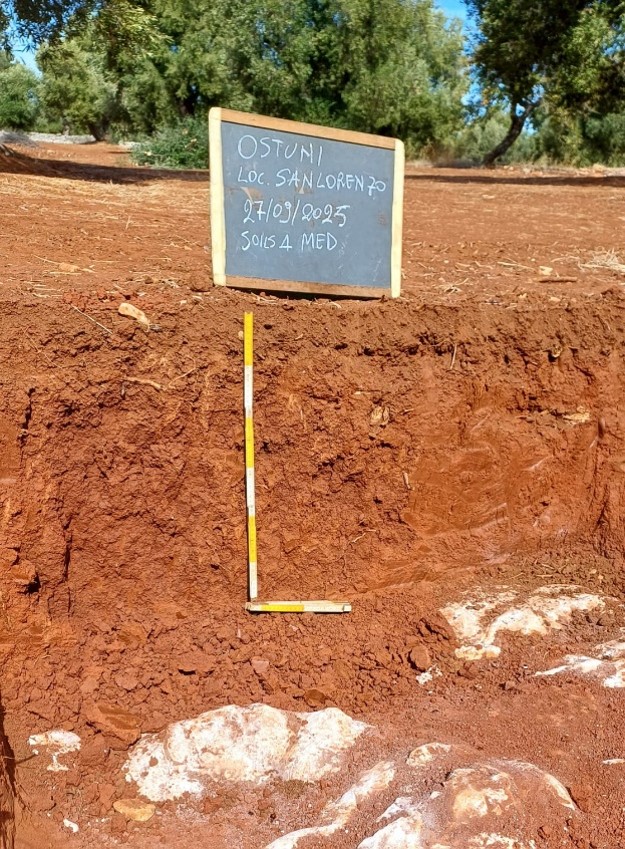
- Field campaigns to measure relevant soil properties and description of representative soil profiles using regional SOILS4MED field protocol.
- Develop use cases of SDI and SIS: Use cases under consideration are:
- Soil-informed regeneration of Xylella-affected olive landscapes: Soil data and SIS outputs could be used to identify where bare or abandoned olive areas are most suitable for regeneration, diversification, or alternative land uses. The SIS could combine soil depth, texture, calcareousness, fertility status, organic matter, slope, water availability, and existing land-use information to guide options such as replanting, mixed systems, vineyards, horticulture, agroforestry, or conservation-oriented ground cover.
- Context-specific grassing-over of tree crops: The Living Lab could use soil information to assess where grassing over in olive groves or vineyards is suitable, and where it may create water or nutrient competition. The use case would compare soil type, crop species, variety, cultivation method, water availability, and management options such as green manure or grass cutting. This would help move from a general recommendation to a context-specific practice, showing where grassing over can improve access, reduce costs, regulate plant vigour, and increase soil organic matter.
- Piloting use cases through: (a) the development of a framework linking soil data to scientific tools/methods and the above use case, and (b) conducting the tasks and evaluate the outcomes with stakeholders.
- Build capacity throughexpert consultations, participatory workshops, computer lab and joint field sessions for training on soil information system, related scientific tools and selected soil-related tools.
5. Participants
The following organizations and groups constitute the initial stakeholder list; the partnership remains open to additional contributors from the local and international community.
- Science and research: Mediterranean Agronomic Institute of Bari, CIHEAM Bari, University of Bari, University of Salento, Agronomic Professional School Basile Caramia of Locorotondo
- Policy and agricultural administration: Province of Lecce, Province of Brindisi, Regional public actors involved in agriculture and land management
- Practice: Farmers in Lecce and Brindisi provinces, farmers’ cooperatives and representatives, farmer associations.
- Primate sector and service providers: Agri-businesses in the region, input-supply companies and entities, local agricultural consultants
- Civil society: Citizens and local communities linked to farming, agritourism, and cultural landscapes.